Surviving the Fuel Crunch in Uganda
Tom Courtright · 13 June 2022
by Geofrey Ndhogezi and Tom Courtright
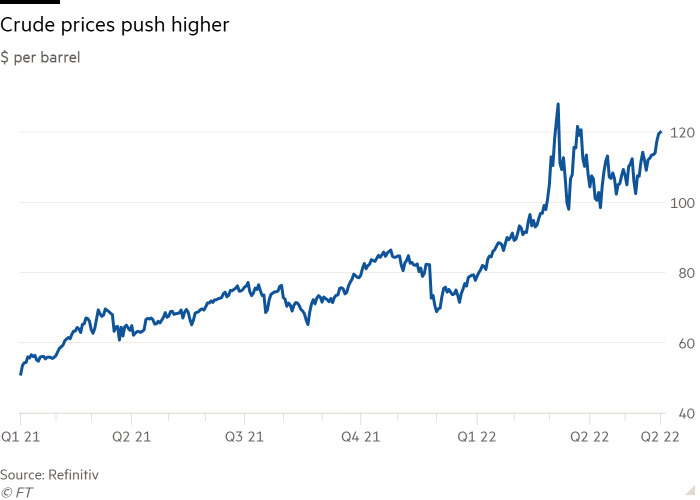
Umar, a boda boda driver at Container Village stage, recently picked up a second job: operating a butchery. The reason to decide to cut meat during the day before riding in the evening, however, did not come from a love of creating the perfect cut; it’s because the price of fuel has increased by 50% since the same time last year, and there is no respite in sight.
All transport operators are feeling the pinch. As soon as the fuel prices started to increase, matatus and buses hiked their fares, and even doubled it for some routes. “What can we do?” said Julius, a matatu driver in Gwanda taxi park. Pausing to reflect, he continued: “All we can do to survive is to increase the prices.”
While taxis and buses are increasing the fares, bodabodas are also facing a difficult time. Since many of the trips served by bodabodas are walkable distances, a lot of their customers mitigate the crisis by opting for walking shorter distances and boarding matatus for longer trips. The situation gives the few remaining boda passengers more bargaining power. “I decide how much I’ll pay the bodaman,” said one passenger after bargaining with a boda rider. “If they refuse, I walk.”
This leaves the already high number of boda riders with less power to charge higher fares despite the high fuel prices. Reflecting a long history in the business, Waigumba Stanley of Bannakalooli stage lamented a lack of flexibility by passengers. “I joined bodaboda in 1993 when a litre of petrol was at around 800 [Ugx], since then it keeps increasing - but the customers are not accepting to add any money.”
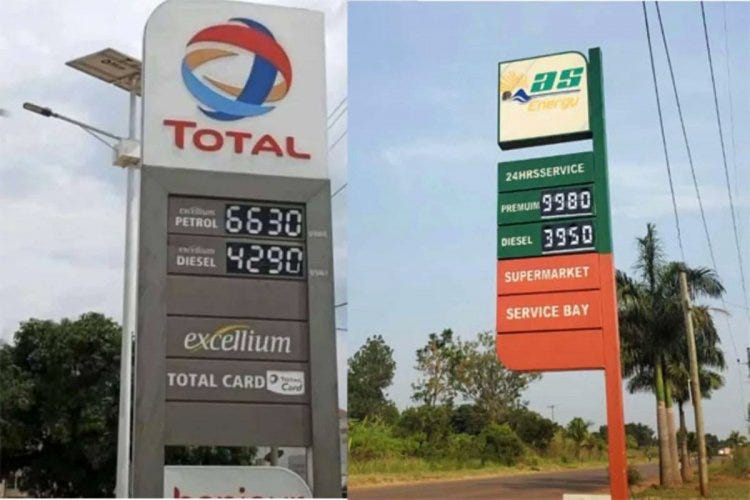
Nearly everything in the economy is moved, at one point or another, on a fuel-guzzling vehicle. Increases in fuel price therefore have an immediate impact, pushing the price of everything else higher, including basic utilities. This can help explain many passengers’ seeming unwillingness to pay higher prices. However, the broader cost of living crisis also affects drivers’ home lives.
“[There is] no more peace at home, my wife quarrels everyday since fuel prices have risen.” said Isma, a boda rider from Ndejje stage in Wakiso district. “I’m no longer capable of giving her the usual fifteen thousand shillings.”
The increases in petrol prices and the resultant decrease in the number of boda customers are forcing some boda riders to find other options. Hussein, one of the few riders of the Zembo electric motorcycles, has been particularly pleased that the electric motorcycles came to Uganda. “I would be quarrelling with pump attendants everyday if I was riding a fuel motorcycle!” he grinned.
John Bosco, a boda rider and friend of Lubyanza, has opted for a more extreme solution to avoid the fuel price crunch: last week, he left his motorcycle behind and moved to Qatar.