Field Notes #1 — on Fort Portal
Tom Courtright · 17 June 2021
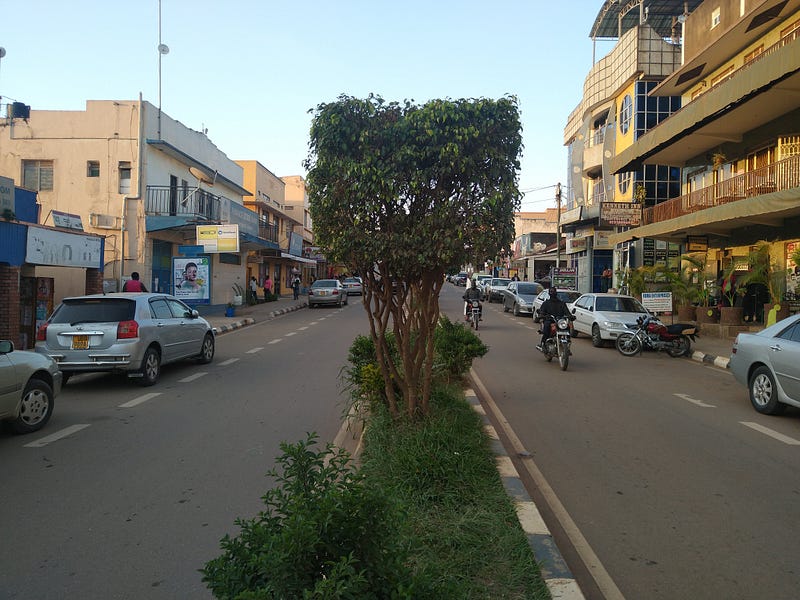
Fort Portal is a newly-declared city of a little over 50,000 people in Western Uganda, near the base of the Rwenzori mountains with the Democratic Republic of the Congo on the other side. It’s got a small downtown and a low density in the city boundaries — even lower now that the city has been expanded to incorporate a chunk of rural area with a few tourist attractions (the city declaration came with a rebranding as “Fort Portal Tourist City”).
The first thing that will strike you about Fort Portal is that though you may arrive by minibus-taxi (taxi for short), there are no taxis that operate solely within the city boundaries. That is to say, there is no shared or mass transit within the city — all taxis and buses operate on routes to other cities and other districts. Instead, the city’s public transportation is completely dependent on bodas.
Tugende — a boda-financing company with strong PR — set up here around two years ago, and Watu started up around seven months ago. They both estimated they had sold around 1,500 bodas, and that around 80% of drivers are from outside of the city. (Boda Banja, a sister company of the best-selling motorcycle brand Bajaj Boxer, is much more quiet but likely has financed more than either company). This points to something critical — bodas are a symbol and harbinger of urbanization, but also specifically of low-density growth.
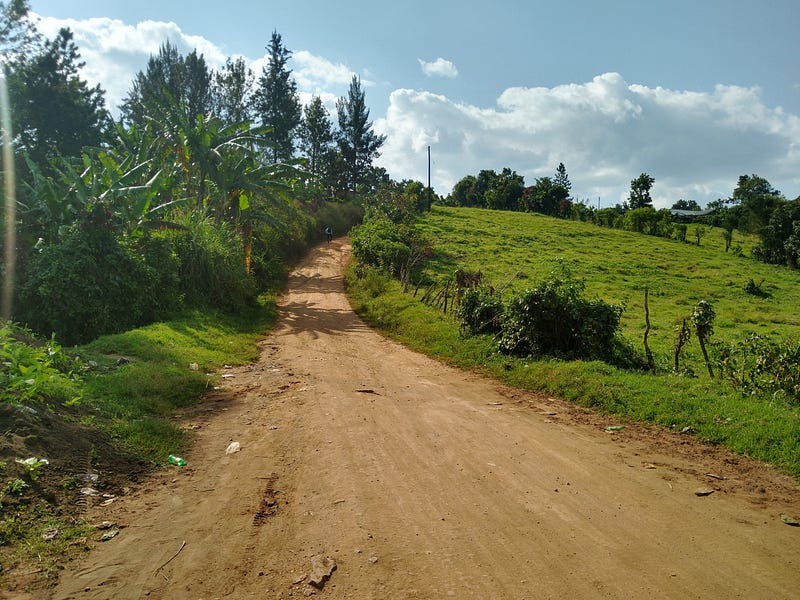
Owning a boda, as thousands of young men in Kabarole district do, allows you to stay on your family land outside the city and avoid having to pay rent. The system is self-reinforcing, because as part of the vetting process boda financiers check if potential lessees have collateral — and land or an owned home are the most common to use. So this favors rural drivers, and as a part of that those drivers expand access to rural areas, making it easier for people to send goods or take trips to town, reducing the pressure to move to the city.
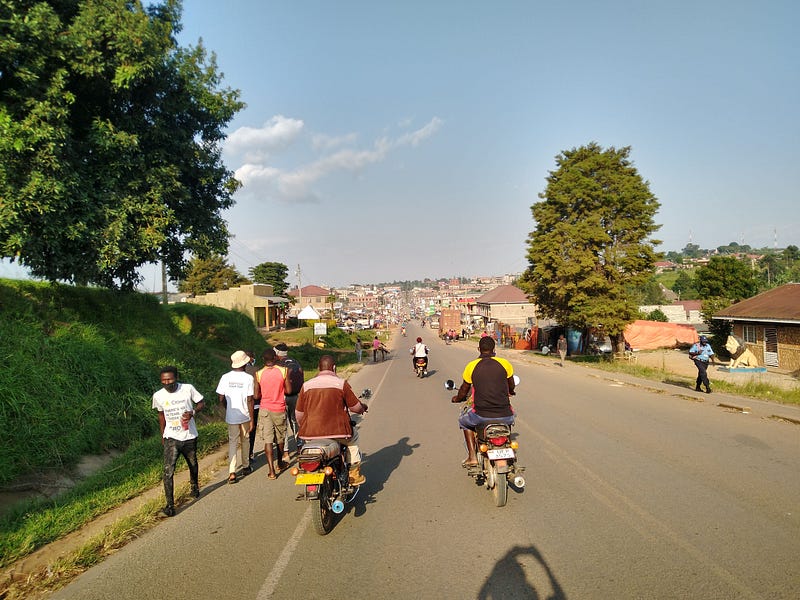
This supply of bodas — as one of the few sources of daily income in the area — the small geographic area of town, and the low income of people in the area all keep prices low; 1,000 UGX ($0.28) for any trip within downtown, 2,000 UGX to go further afield. Yet that isn’t something everyone can pay multiple times a day, and the cities small area encourages significant pedestrianism. This means low daily revenues of around 15,000–20,000, compared to a pre-pandemic average of 30,000–35,000 in Kampala. And 50,000 goes to the boss every week, or 75,000 if it is an asset-financing company, so that drivers may take home 5,000 ($1.4) on a good day.
So in the absence of fixed-route shared transportation, Fort Portal lives off of the urban dreams of young boda drivers from the village, scraping by to keep the city moving.